Spanish versions
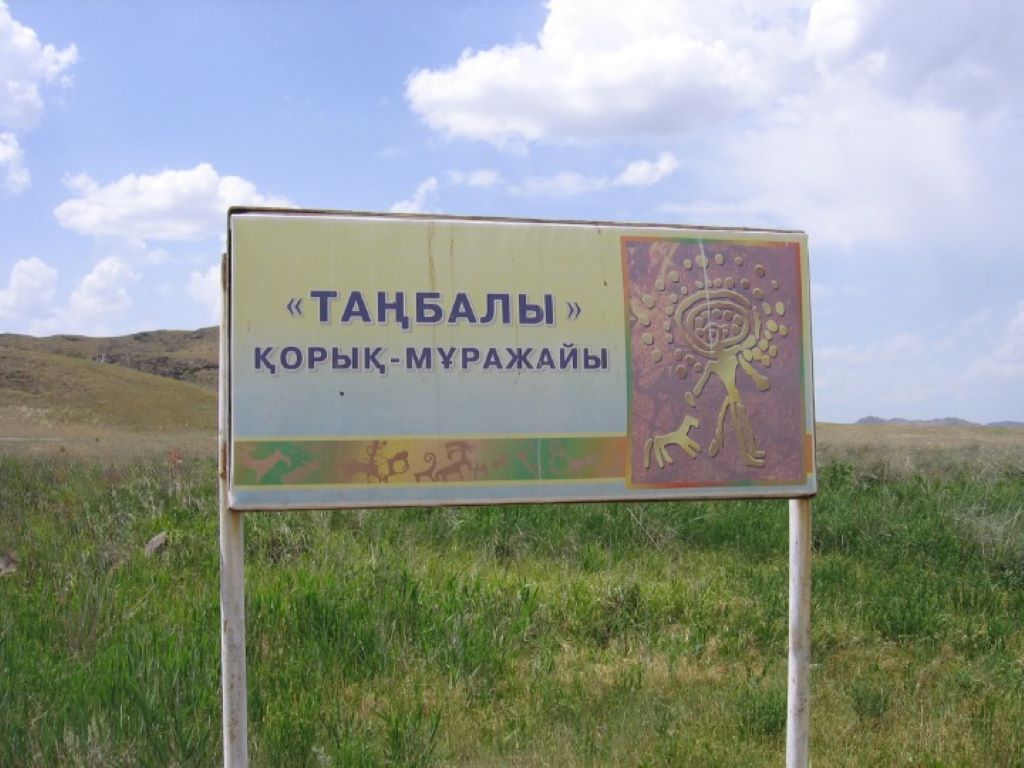
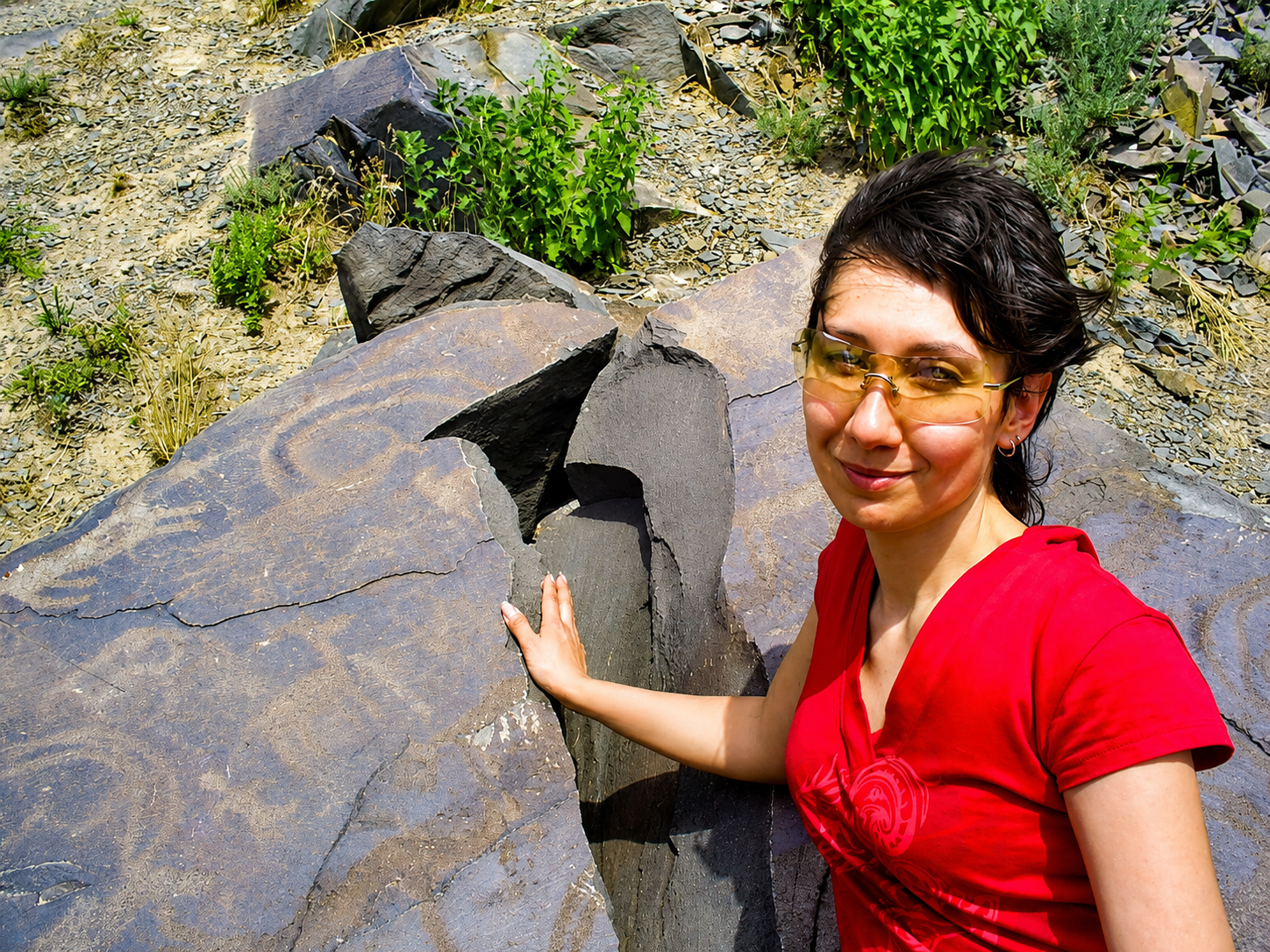
Tanbaly is impressive because it is a place where history first began to be carved into stone. It is one of those sites where ancient people, eager to tell us how they lived, used simple tools to engrave scenes of hunting, dancing and warfare, as well as images of their gods and the way they imagined them.
Much later, I came to understand that this was not simply a matter of carving stone: those engravings had, and still have, a magical quality.
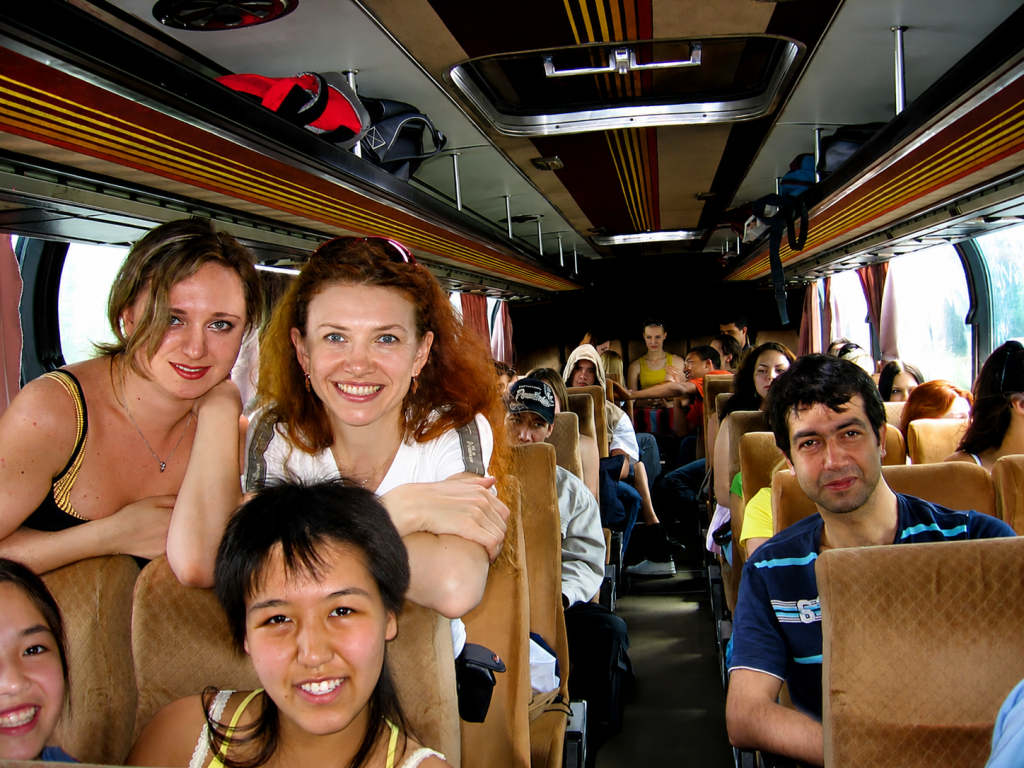
I like to begin this story by saying that it was a sunny morning, because that is exactly how it was. A group of friends and I boarded a bus bound for Tanbaly. There were Cubans, Italians, Spaniards, Russians and Kazakhs; perhaps there were people of other nationalities as well, but I no longer remember.
The site is not far from the city of Almaty. At that time, it was completely undeveloped, with no visible facilities: only an improvised unpaved parking area and two information boards. We were in the open steppe, at the end of May 2007. The eye was lost in the vastness, and even the tallest vegetation was only a few centimetres high.
Apart from the broad plain, the landscape consisted of a series of low hills and small valleys between the mountain slopes. A narrow gorge cut through the area, and that was where we began our exploration.
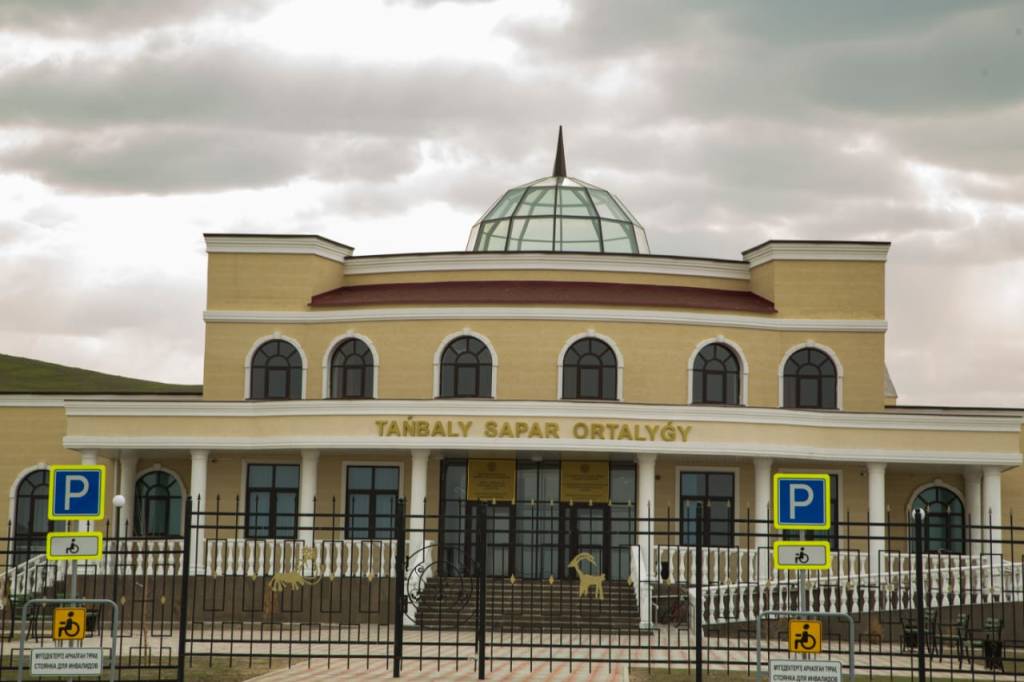
If you visit the site today, you will find that it has changed considerably. The Tanbaly Museum Reserve has been built there. It functions as an interpretation centre and includes several service buildings for visitors: the “Tanbaly-Tas” Archaeological Complex.
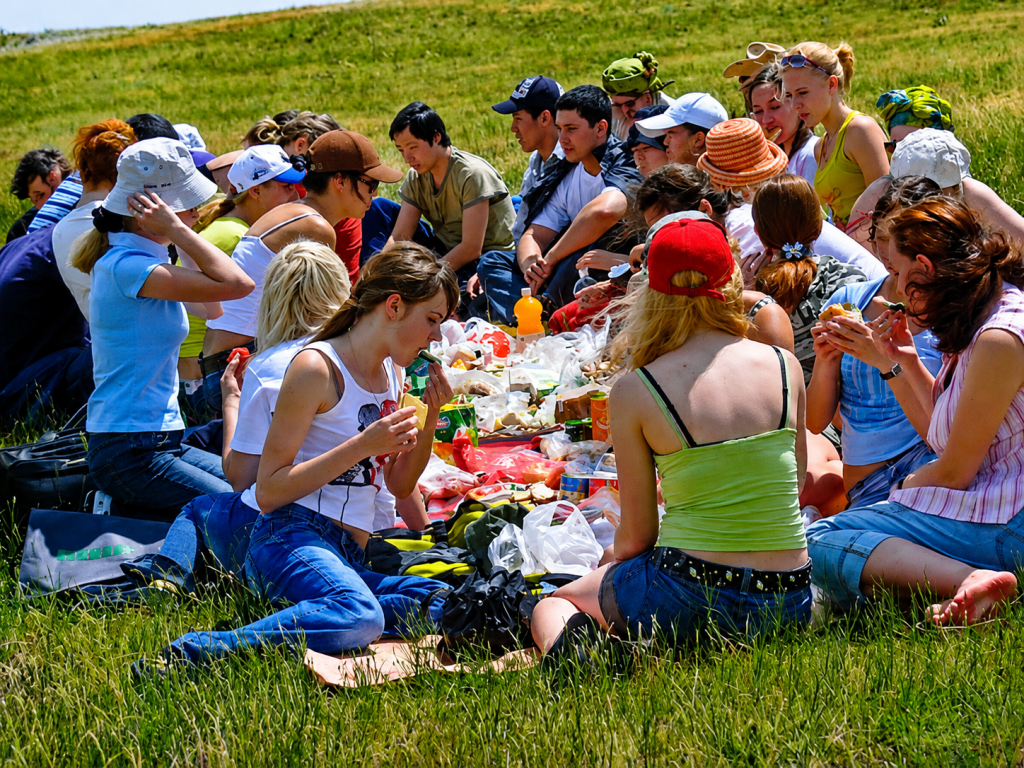
Before setting out, we sat down on the grass. We spread out everything we had brought for a snack, although it was really breakfast, and shared what each person had brought.
Since the visit was going to be long and we would have to climb several slopes, it was best to make sure we had enough energy.
After eating, we held a “ceremony to celebrate the happiness of moments like these”. We moved in a circle and made little movements with our hands as if we were shamans. It was something like a game, and there is no point discussing it further here.
This is a recent map of the site. It includes a few changes resulting from the translation, as well as some minor colour adjustments to make certain labels easier to distinguish. It provides a clearer view of the area.

The gorge began about two hundred metres from where we had left the bus, enclosed between the mountains. The vegetation there was different and, so to speak, more abundant.
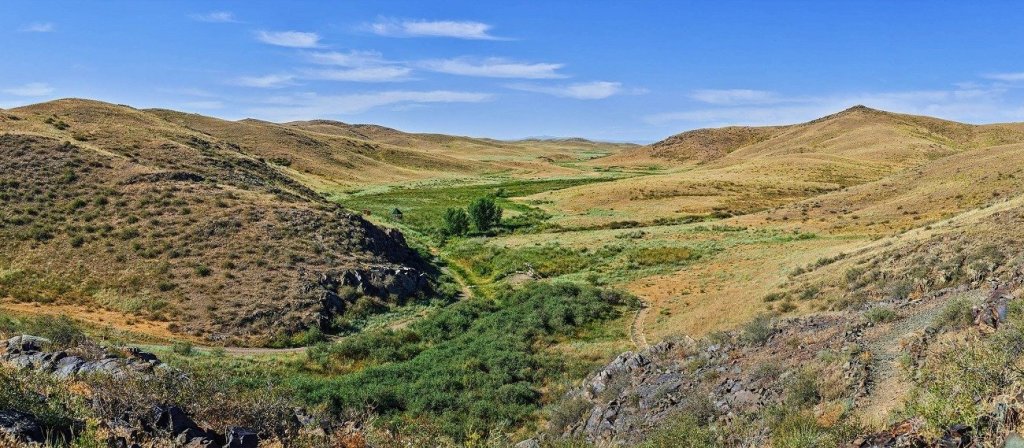
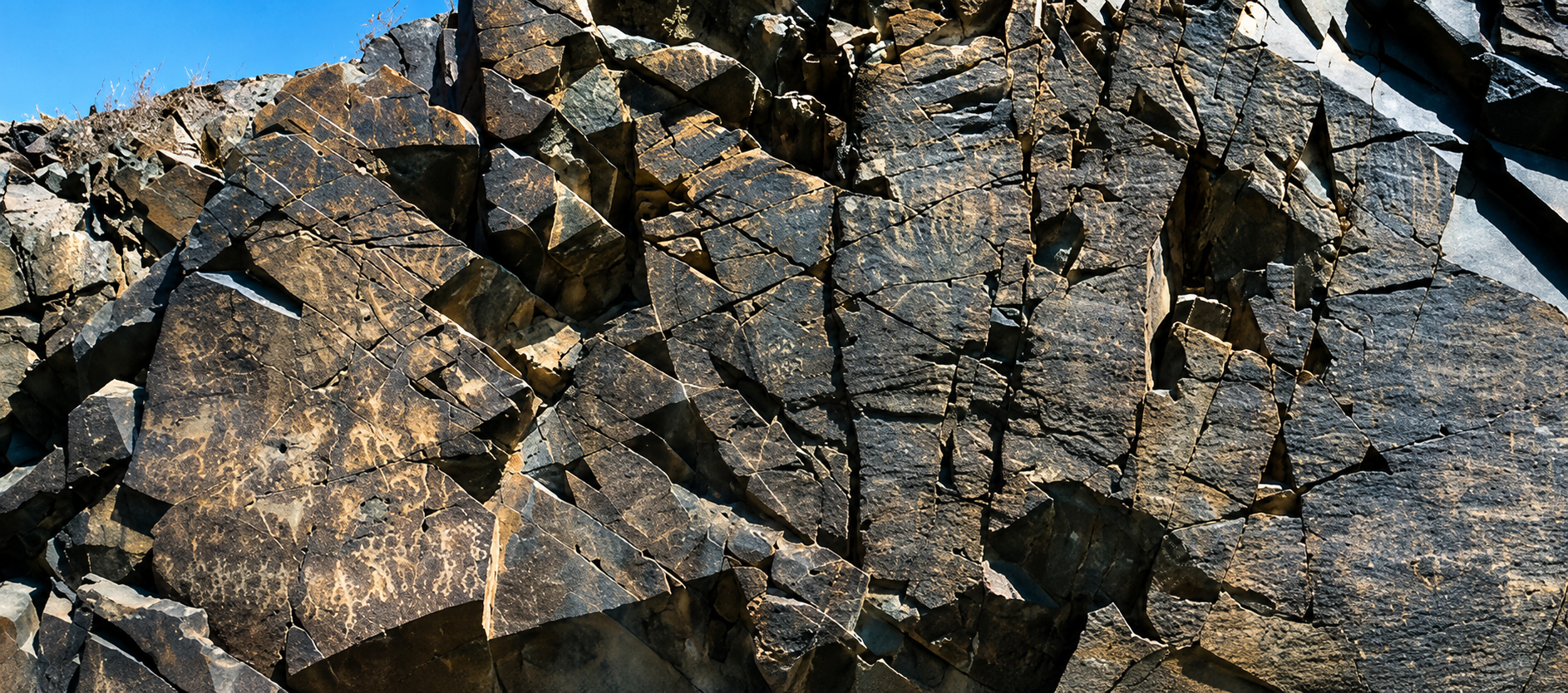
We soon realised that we had been right to eat before setting out, because most of the engravings were located on the hills. The skill of the “artists” who left their work on those stones is remarkable.
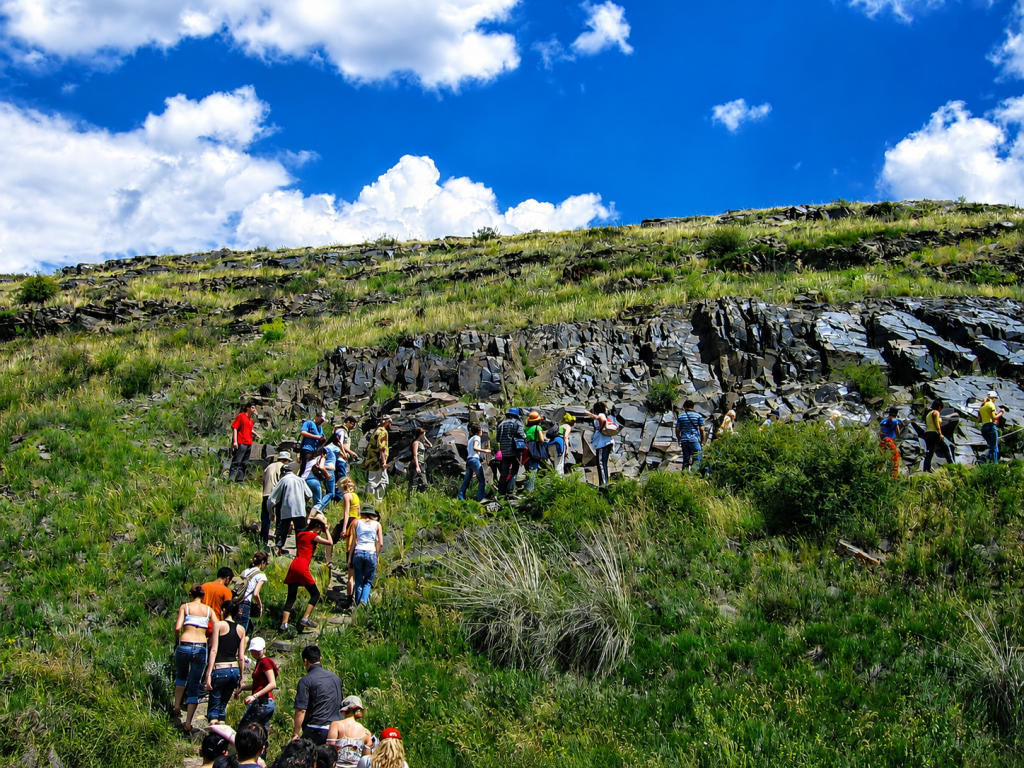
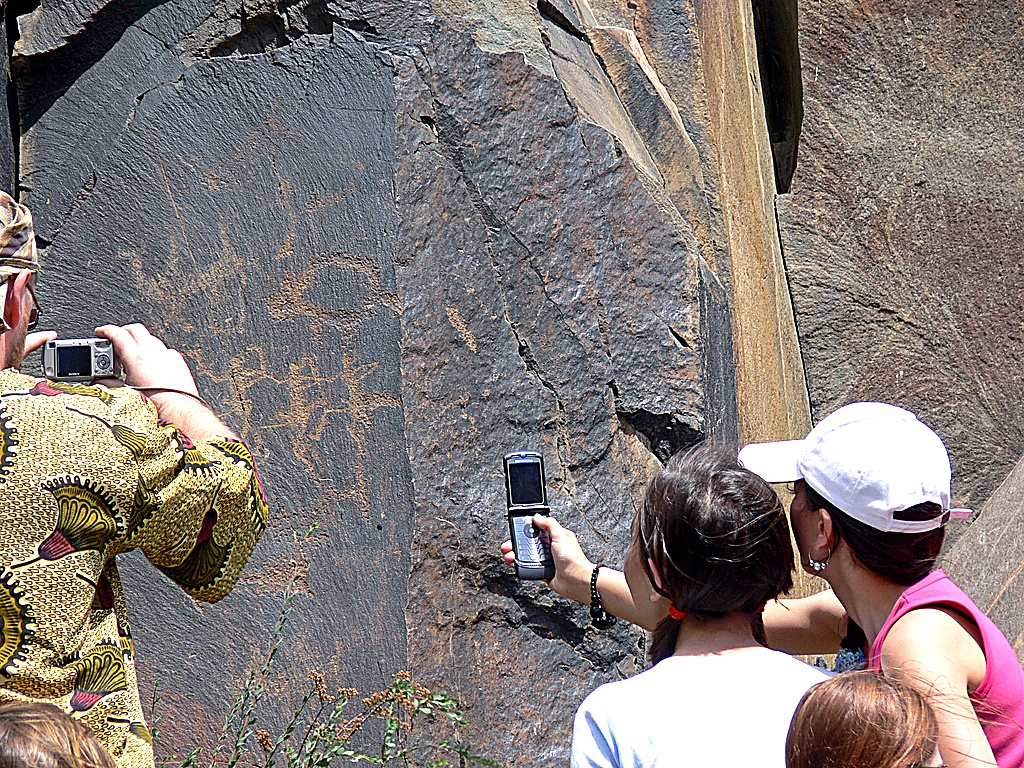
The engravings varied greatly in size. Some were only a few centimetres across, while others could easily measure a metre. Many of them also displayed an interesting narrative structure: human figures riding horses, hunting or fighting, while other figures danced as part of some kind of ceremony. Other scenes showed herds of animals.
There were also individual figures, some of them up to a metre high, outlined with great precision and considerable artistic skill.
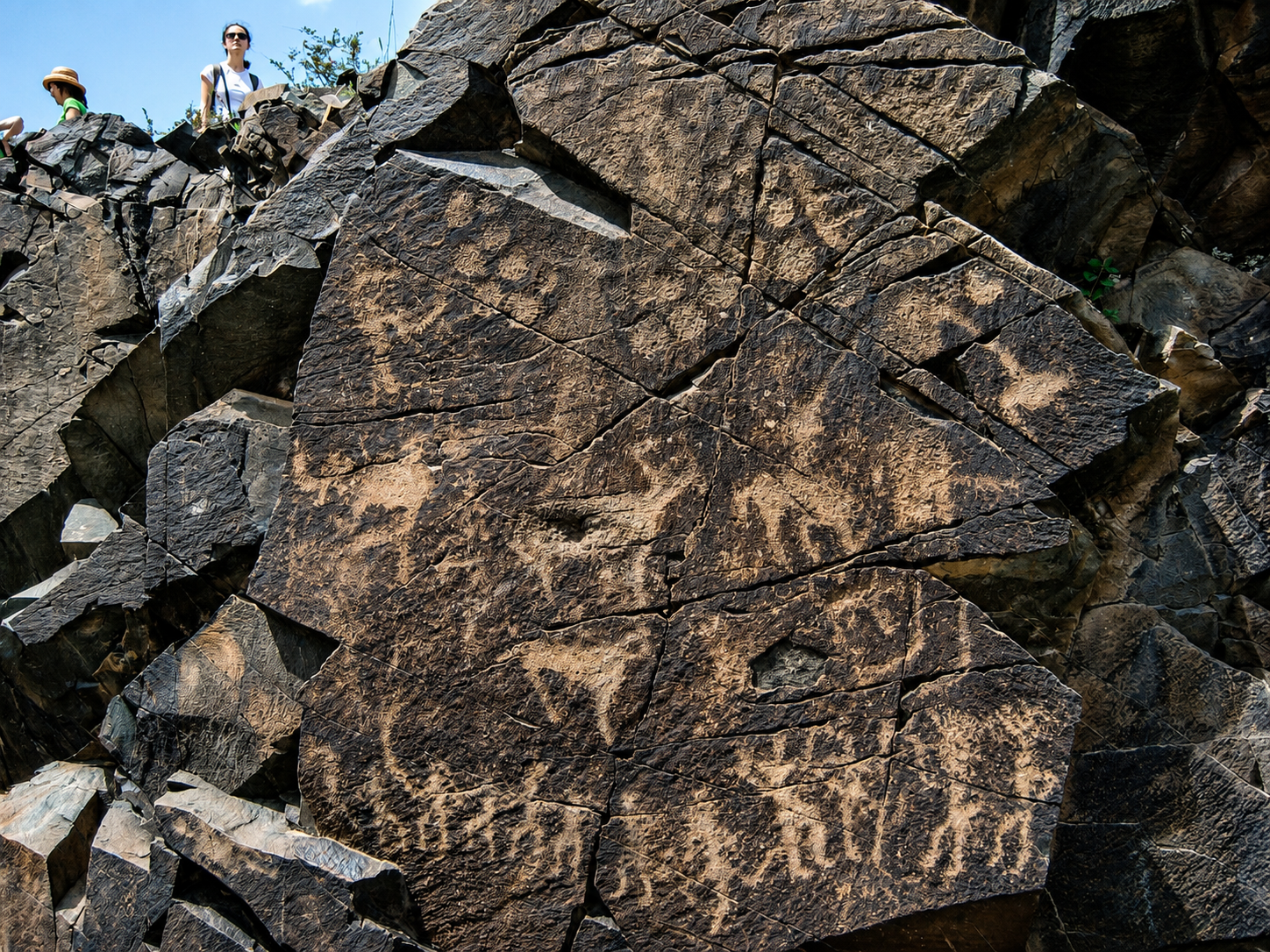
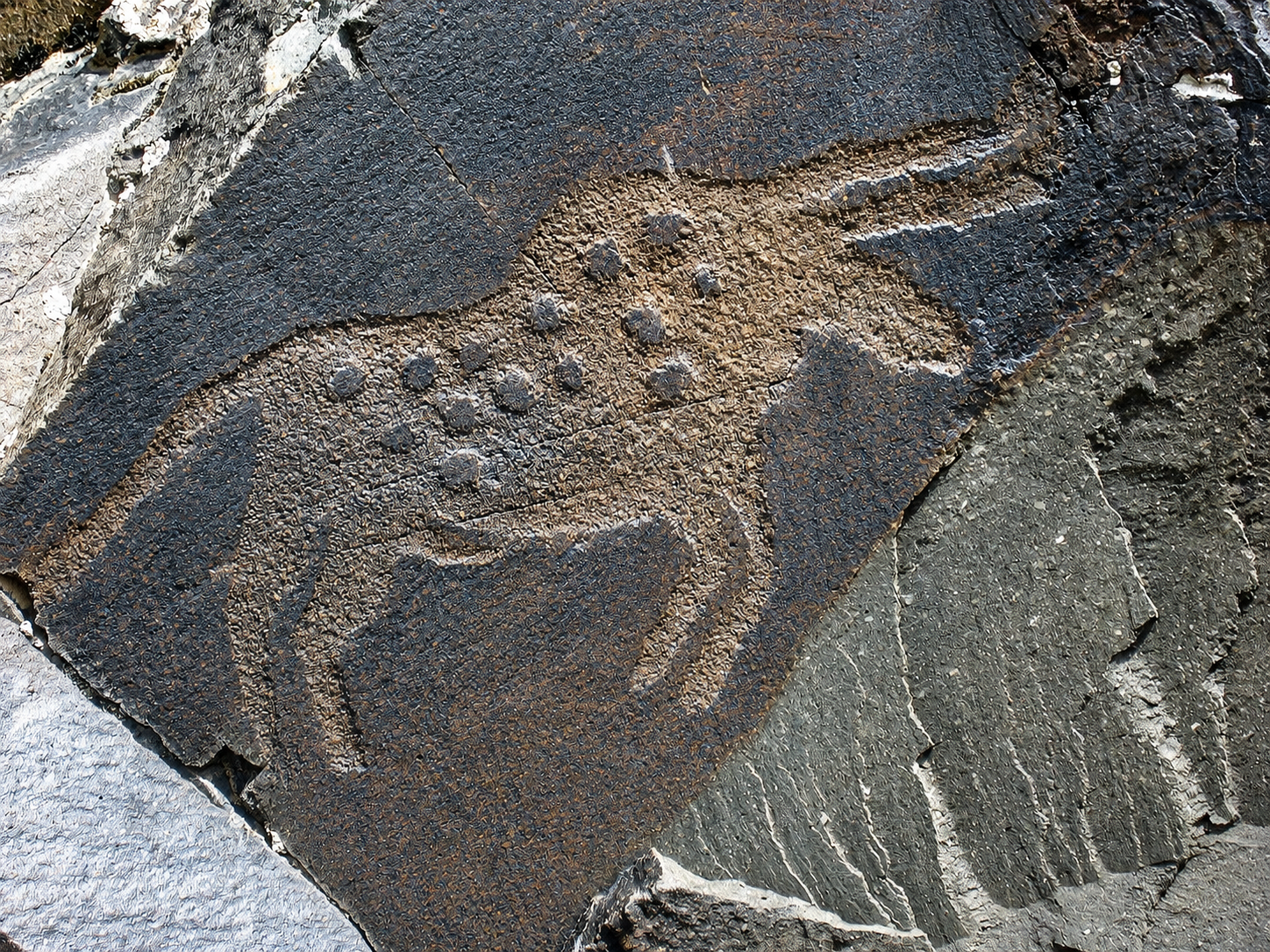
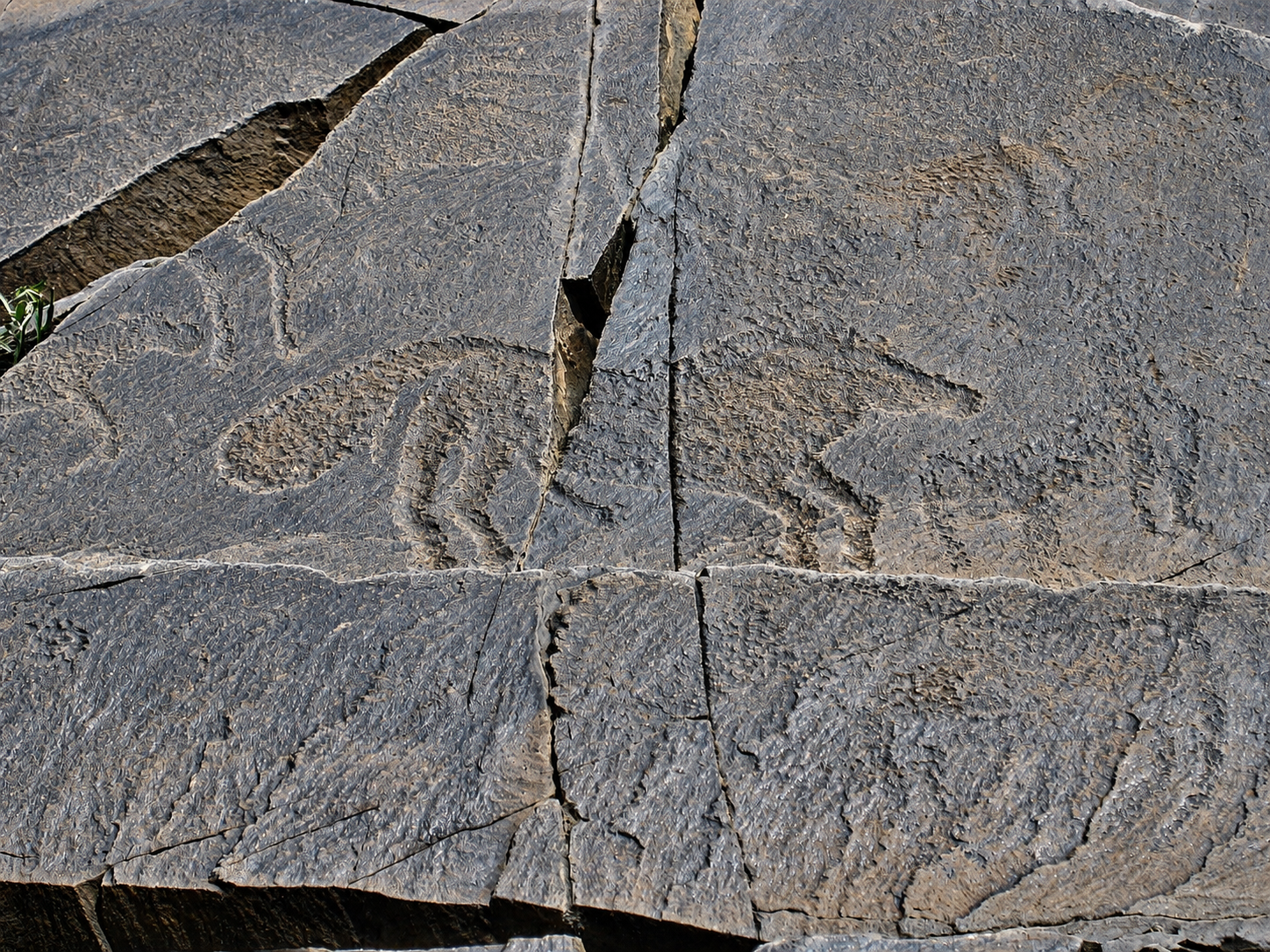
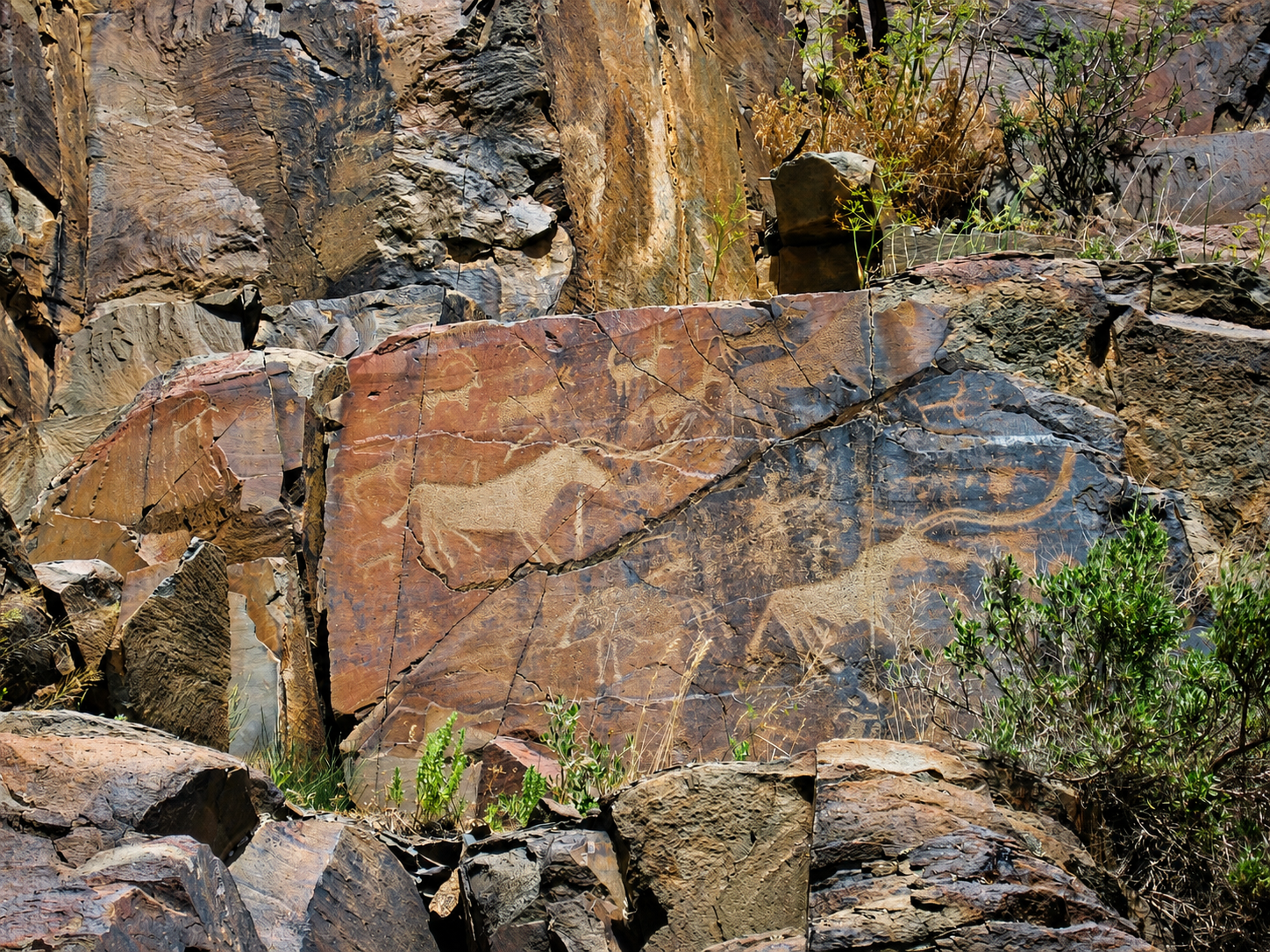
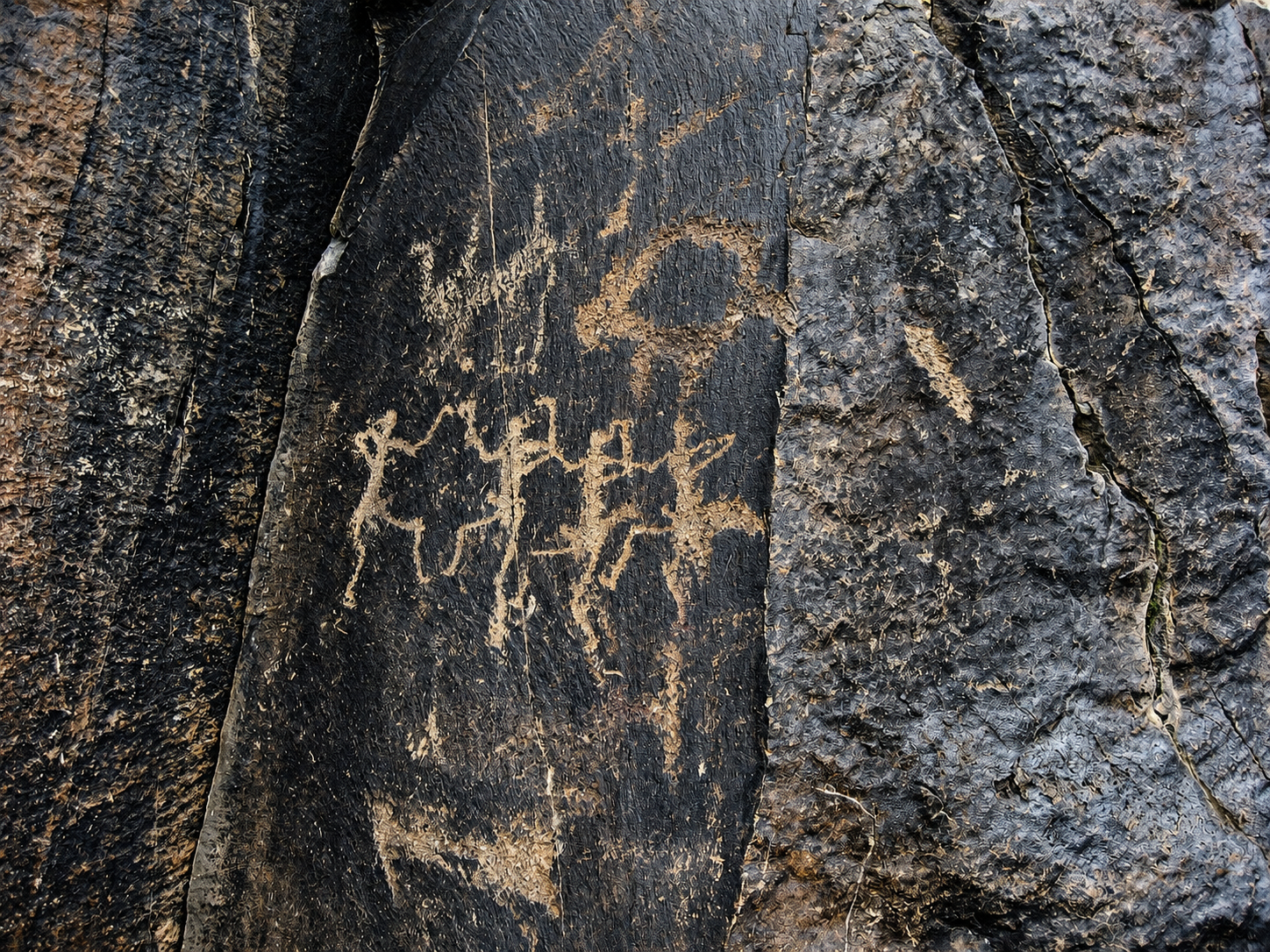
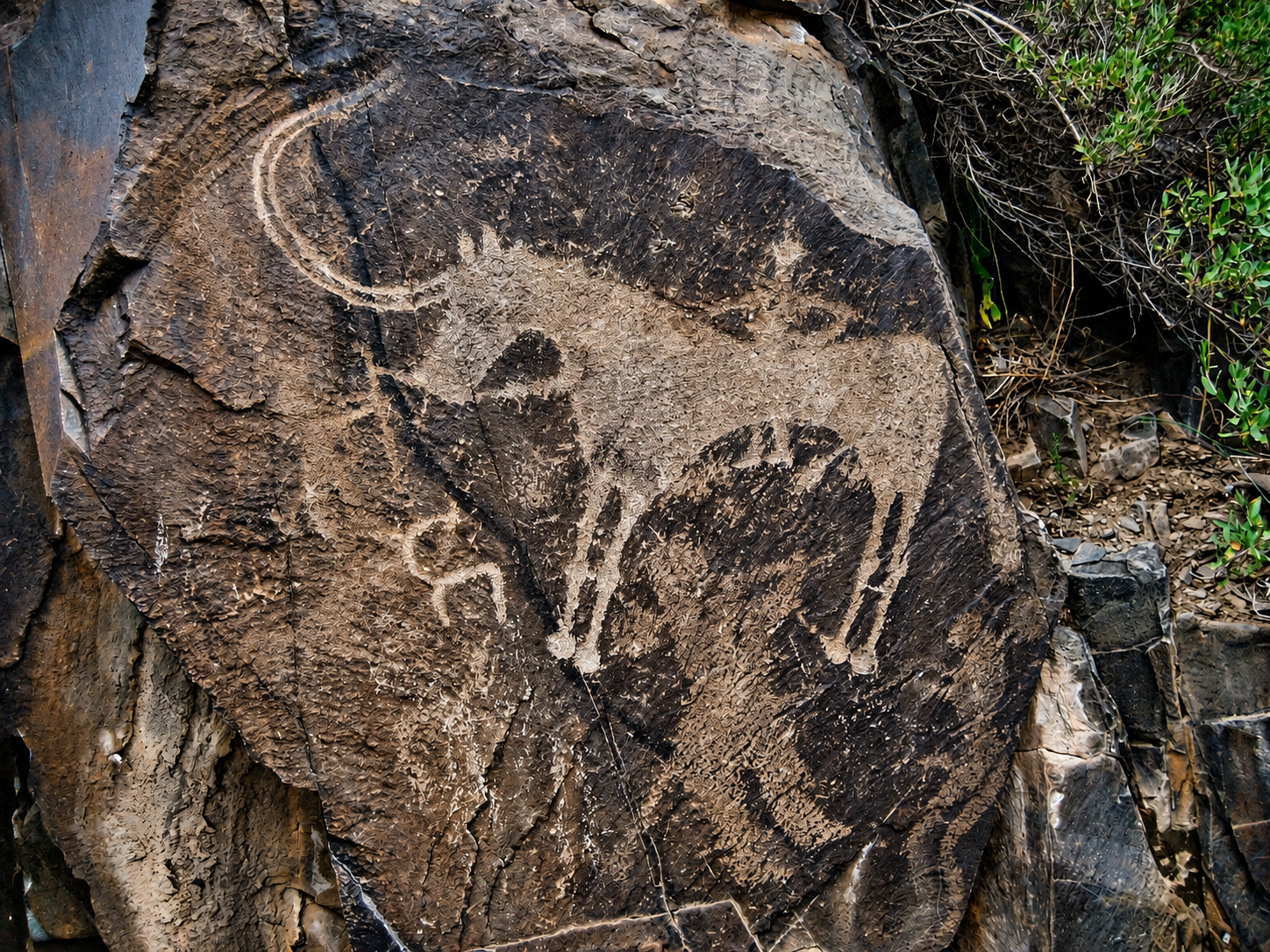
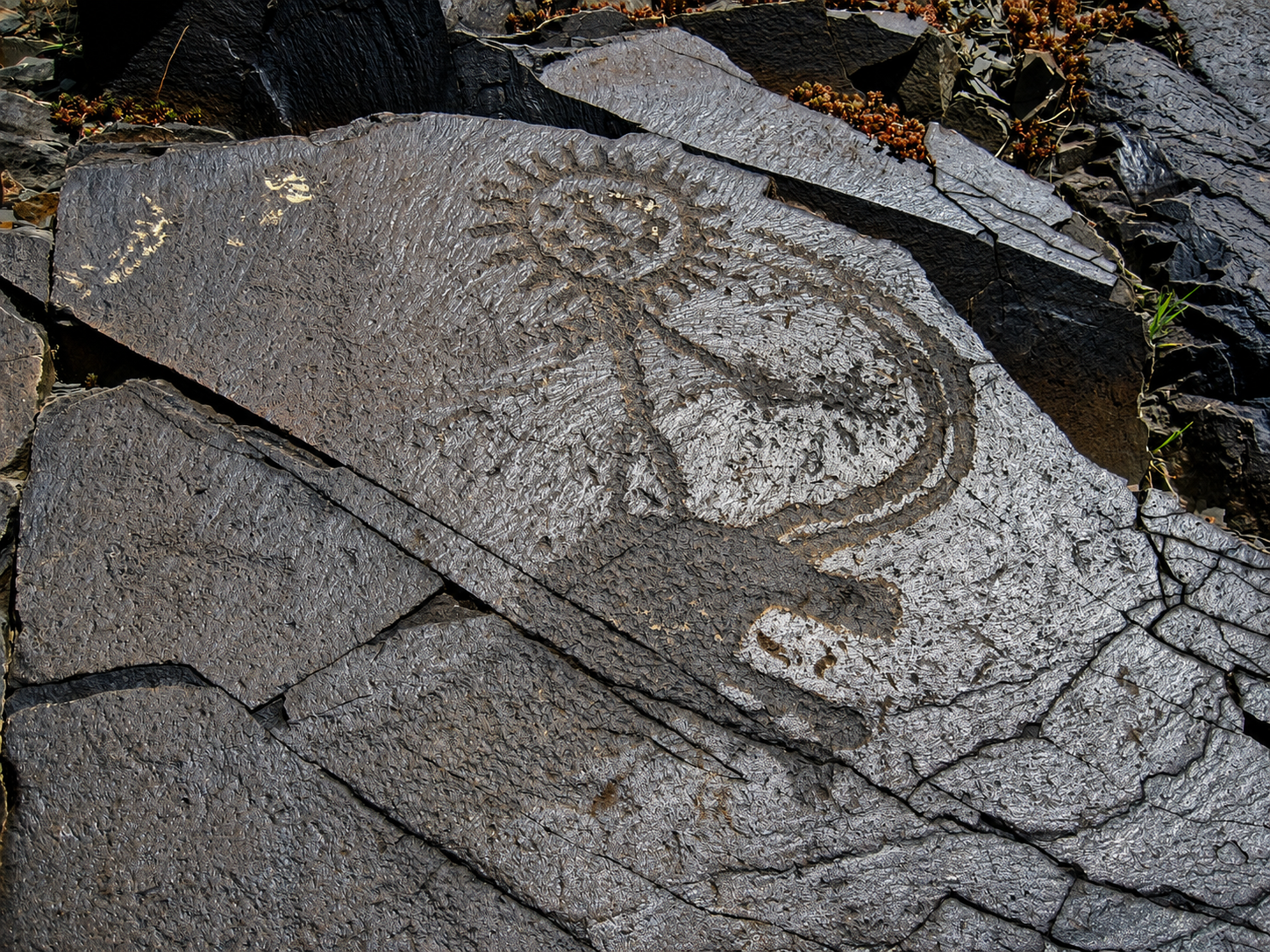
There are thought to be around five thousand petroglyphs, dating from the Bronze Age to the Middle Ages.
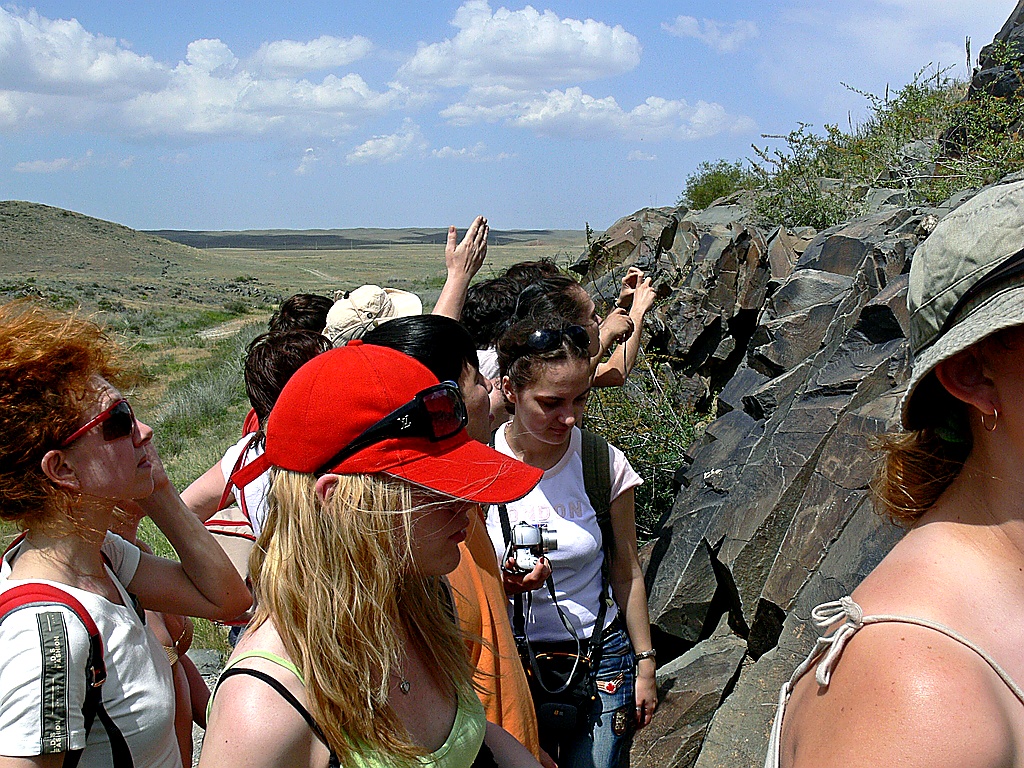
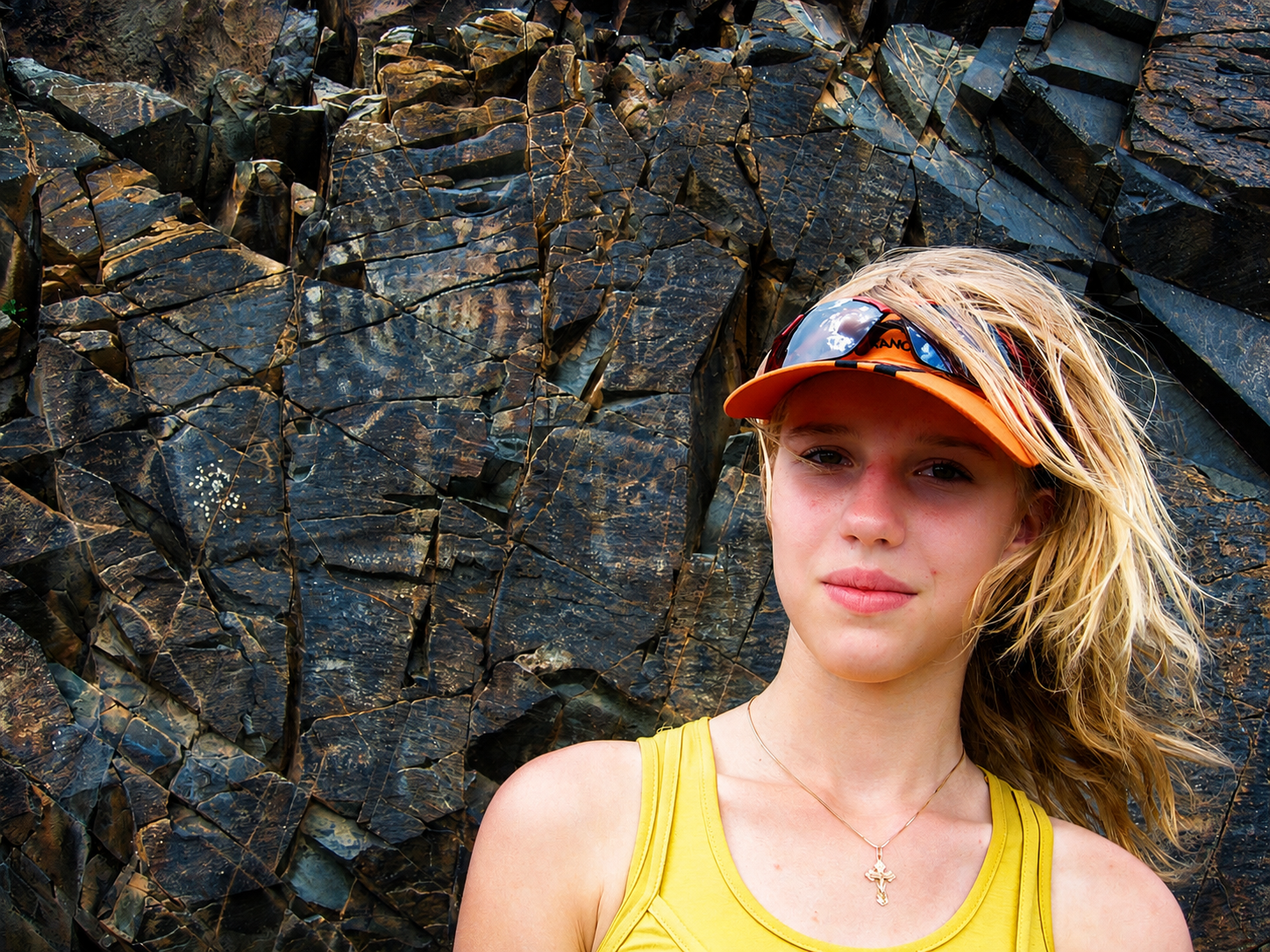
Although taking photographs became almost a dangerous occupation because of the steep hills and the limited space available for walking, we continued to capture the moment.
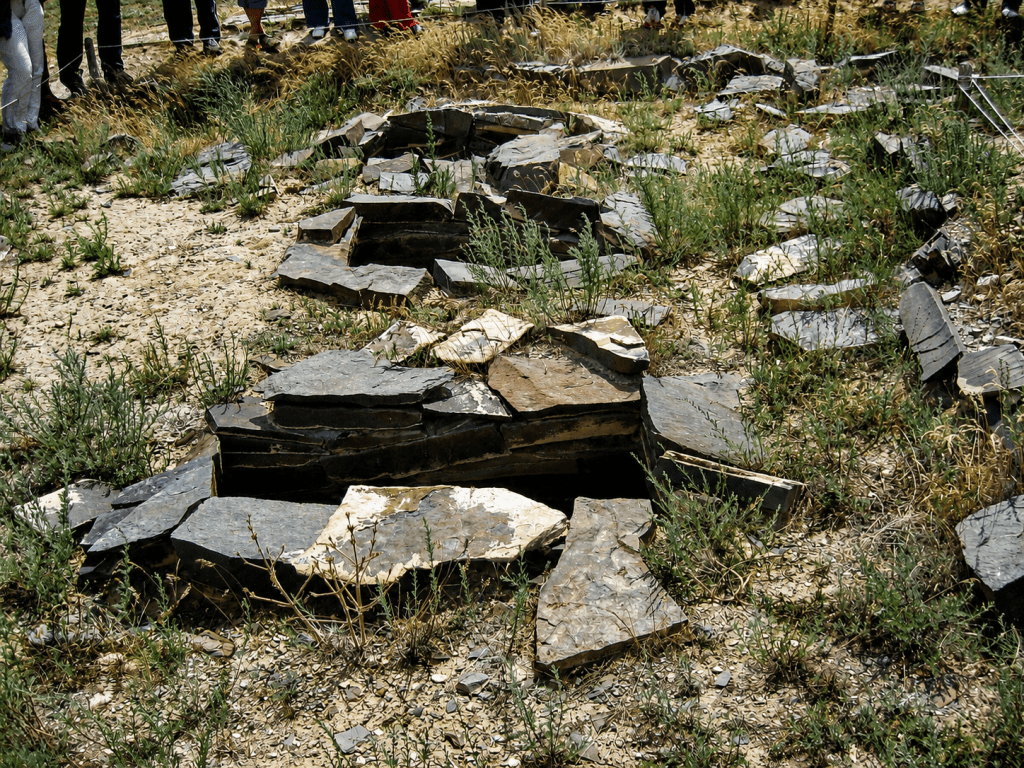
Cist graves could also be seen —burials shaped like boxes—, some of them lined with stone slabs. When bodies were buried, the deceased was placed in a fetal position. In cremation burials, by contrast, urns containing the cremated remains were found together with grave goods made up of ceramic and metal objects, all dating from the Bronze Age.
Among all the petroglyphs, the most fascinating are undoubtedly the figures known as “sun-headed deities” or, more colloquially, Sun Men. Another important group consists of the “horned horses”, the term most commonly used in English- and Russian-language archaeological literature.
Some authors also use the expression “horse with a horned ritual mask”, especially in studies of the origins of the Saka animal style —associated with the Scythian people— in the Kazakh steppe.
At another time, I will devote a separate article to the “Sun Man” and the “Horned Horse”.

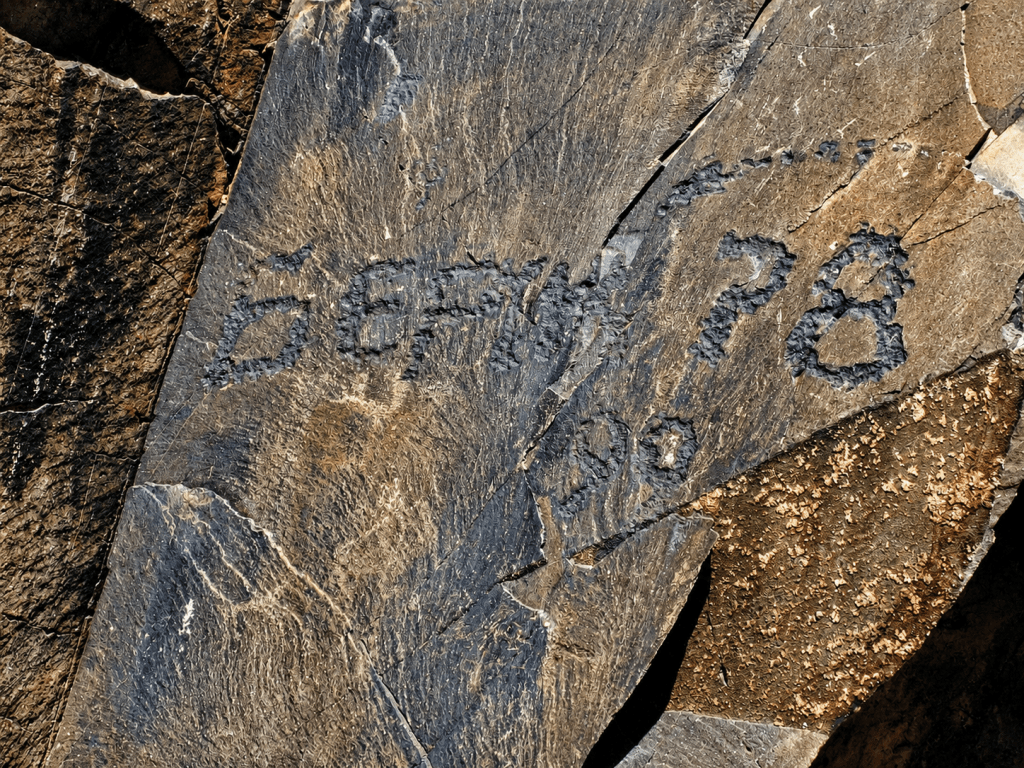
Before ending the tour, I would also like to mention the acts of vandalism that have left their mark on the rock walls of this archaeological reserve. Without considering the damage caused by their egocentric gestures and their desire to leave themselves a permanent record, some visitors carve their names and the date of their visit into the rock, as can be seen in this photograph.
Finally, we took a group photograph.
We still hope that one day we will be able to repeat the experience, perhaps not all together there, but somewhere else.
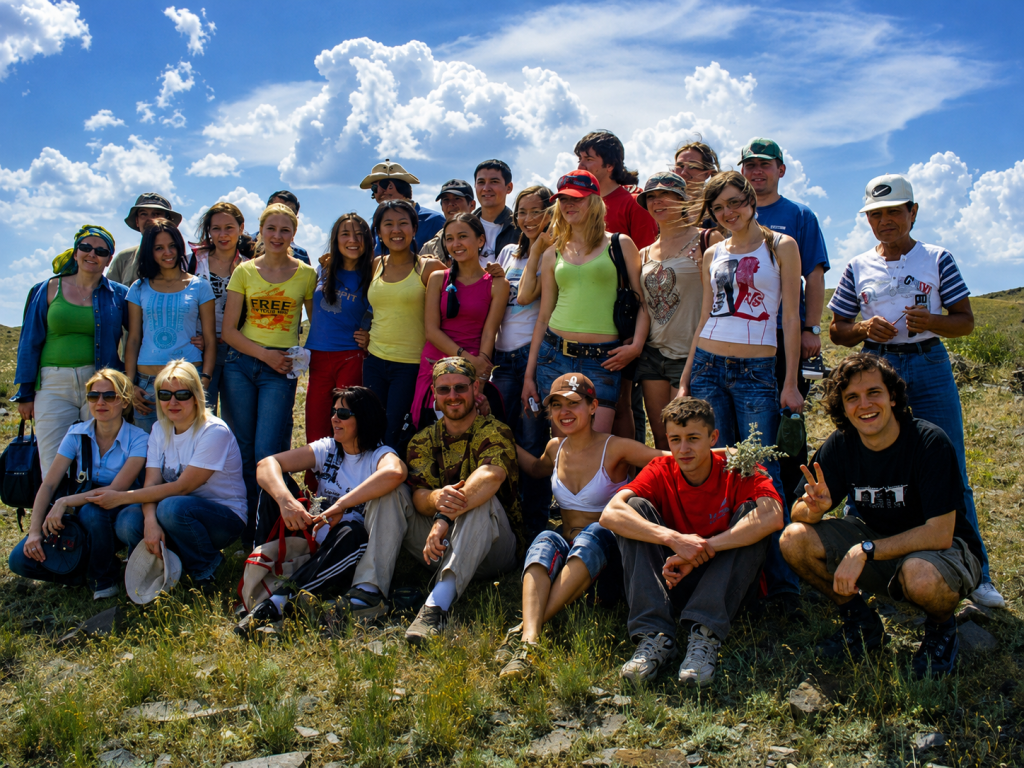
Thank you, everyone, for such an unforgettable experience. Thank you, Tanbaly. Thank you very much, Kazakhstan.

